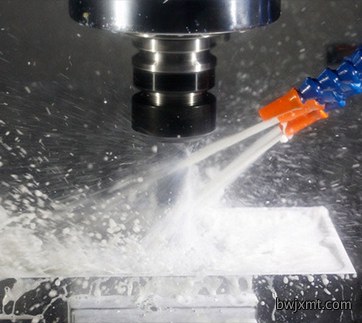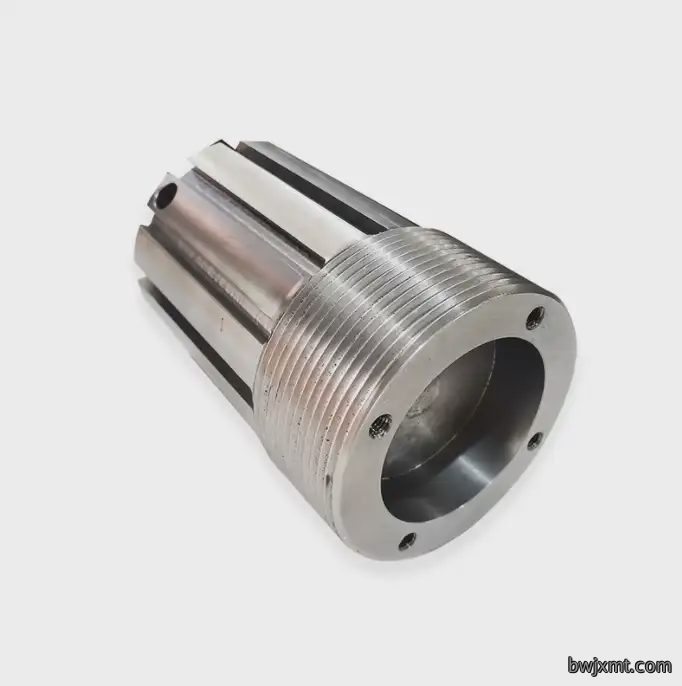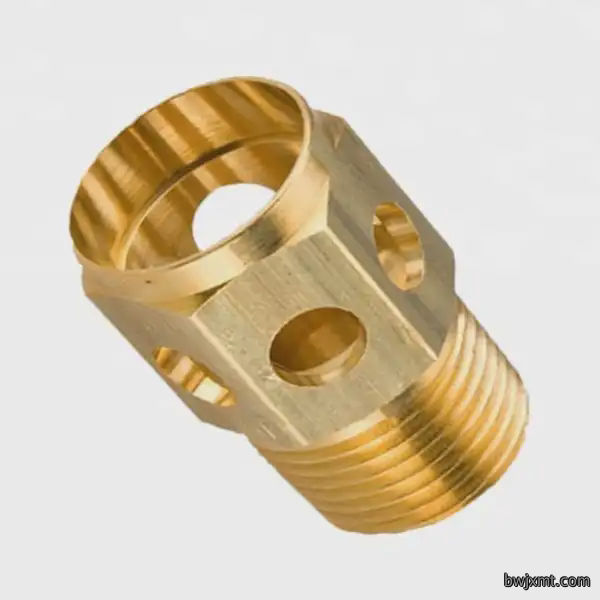
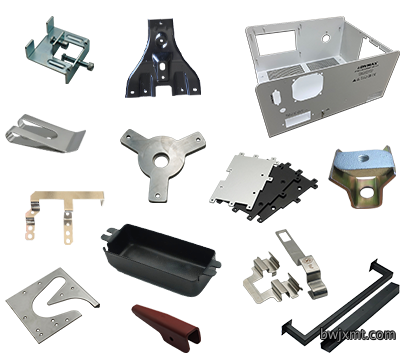



Why Is the Actual Cutting Time in Traditional Machining Often Much Shorter Than the Total Production Time? Where Is the Time Mainly Consumed?Why Is the Actual Cutting Time in Traditional Machining Often Much Shorter Than the Total Production Time? Where Is the Time Mainly Consumed?In the world of manufacturing across various industrial sectors and production environments, the principle of operational efficiency has long been recognized as a critical competitive factor. However, anyone who has spent considerable time observing activities on a modern shop floor or reviewing production analytics knows a counterintuitive truth that challenges conventional assumptions about where time is actually consumed: the actual cutting time—when the machine tool is actively removing material from the workpiece—often represents only a small fraction of the total time a part spends moving through the entire production cycle from order to delivery. So, where does all the time go? Understanding this discrepancy is crucial for manufacturers looking to improve throughput, reduce costs, and meet tight deadlines. For a company like XCWY, with 30 years of sheet metal fabrication experience, mastering the balance between machining time and auxiliary operations is the secret to delivering high-quality components efficiently. The "Iceberg" of Manufacturing TimeThe manufacturing of precision components can be conceptualized through the metaphor of an iceberg, which effectively illustrates the complexity underlying what appears to be a straightforward operation. The actual chip-cutting and material removal phase represents merely the tip of this iceberg—the portion visible to observers and frequently highlighted in production narratives. Where Is the Time Mainly Consumed?In the manufacturing and operational context, achieving genuine production efficiency requires a systematic examination of how work progresses through each phase. 1. Setup and Workholding ConfigurationThe preparation phase represents a critical preliminary stage that occurs well before any actual machinin
2. Tooling Changes and ManagementWithin the context of modern manufacturing operations, production runs frequently necessitate the deployment of multiple cutting implements to achieve final component specifications. These may encompass end mills for contouring operations, drills for hole creation, taps for thread generation, and reamers for precision finishing work. 3. Programming and Simulation (CAM)The manufacturing process involves numerous preparatory steps that occur before any physical machining commences on the shop floor. In particular, the establishment of a comprehensive machining path represents one of the foundational requirements for successful production operations. 4. Material Handling and LogisticsWithin the operational framework of modern manufacturing environments, the logistical movement of raw materials from designated warehouse storage areas to production machinery represents a critical phase in the overall manufacturing cycle. 5. Inspection and Quality AssuranceQuality assurance represents a fundamental operational principle that cannot be compromised in manufacturing environments. The manufacturing sector relies heavily on systematic verification processes to ensure that produced components meet specified tolerances and functional requirements. 6. Secondary Operations and FinishingThe manufacturing landscape reveals a fundamental reality that distinguishes amateur operations from professional facilities: very few components emerge from computer numerically controlled machinery in a condition suitable for immediate deployment or installation. The journey from raw material to finished product demands significantly more than the initial machining phase. Deburring, polishing, anodizing, painting, and assembly represent critical secondary processes that collectively extend the overall production cycle and significantly impact delivery schedules. The XCWY Advantage: 30 Years of Bridging the GapHow do you minimize the gap between actual cutting time and total production time? It requires a holistic approach to manufacturing—one that XCWY has refined over three decades. By specializing in sheet metal fabrication and precision machining, we have learned to streamline the "hidden" parts of the process. The operational expertise we have cultivated over our years in business enables us to delive
ConclusionManufacturing operations face a persistent challenge where the minutes or hours spent actively cutting or shaping materials represent only a fraction of the complete production cycle. This reality reflects the complex nature of industrial processes across sectors ranging from automotive to aerospace to consumer goods manufacturing. By partnering with an experienced manufacturer like XCWY, you benefit from 30 years of knowledge in optimizing the entire production cycle, not just the machining process. From the initial laser cutting of the sheet metal to the final deburring and packaging, we work to ensure that your parts move seamlessly through the shop floor, delivering precision and quality without the unnecessary wait.
|