


Facing the Challenge of High-Mix, Low-Volume Demand: Why Traditional Metal Processing Lines Fall ShortIntroductionThe manufacturing landscape has undergone a seismic shift. The era of mass-producing identical components for months on end is fading. In its place, a new paradigm has emerged: high-mix, low-volume (HMLV) production. Driven by demand for customization, just-in-time inventory, and rapid product iteration, customers now expect smaller batches with greater complexity. For many workshops, this transition is painful. Traditional metal processing lines, optimized for the economies of scale, are proving to be rigid dinosaurs in a world that demands agile speed. To remain competitive, manufacturers must re-evaluate their capabilities—specifically within sheet metal fabrication, where the pressure to deliver precise, custom parts quickly is immense. The manufacturing landscape has undergone significant transformation in recent years, particularly within sectors that operate under high-mix, low-volume production parameters. 1. The Bottleneck of Changeover and Setup TimeTraditional metal processing lines were designed for high-volume production. They excel when running the same part for days or weeks. However, HMLV demand requires frequent changeovers. In a conventional shop, switching from one job to another involves manual tooling adjustments, die changes, and machine recalibration.
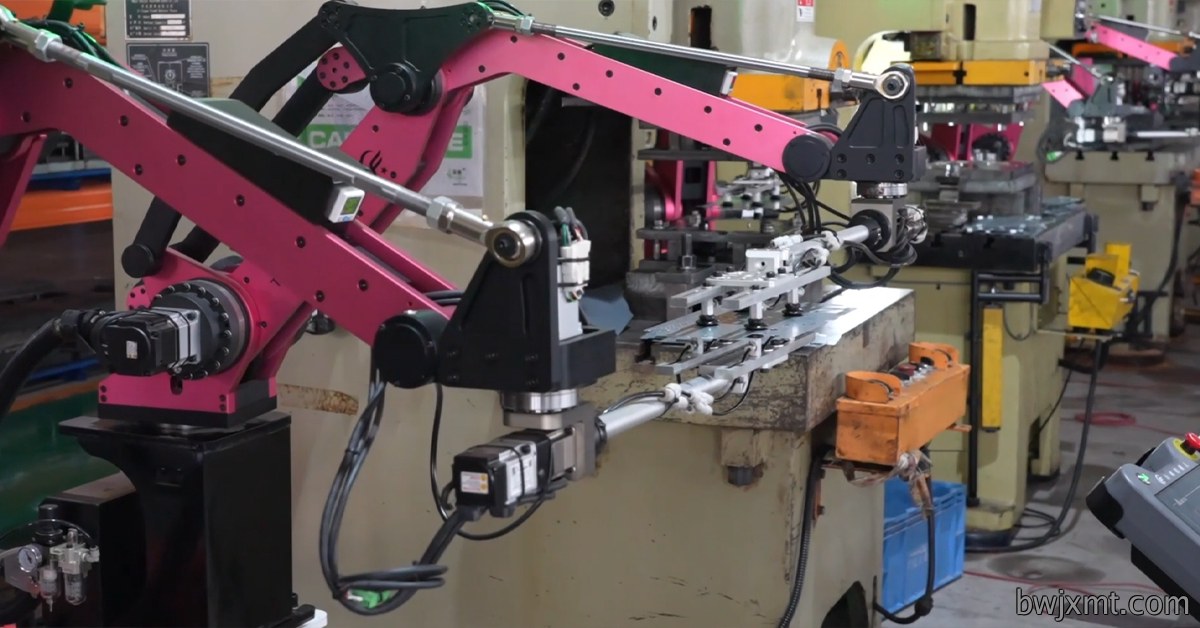
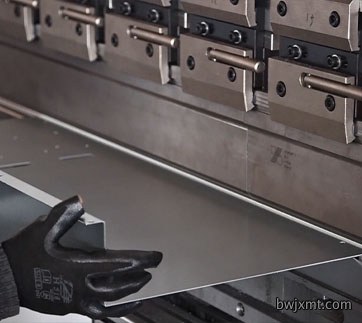
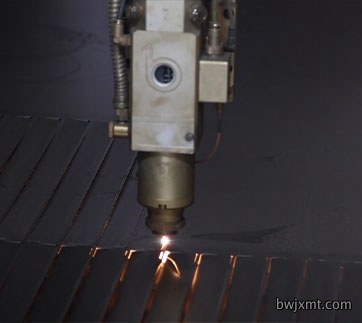
Modern solutions require CNC technologies that allow for automated tool changing and programmable press brakes. As noted in industry analyses, integrating robotic press brake bending systems and smart material handling minimizes the downtime between batches, allowing shops to treat every part as a unique project without sacrificing throughput. 2. Inflexibility in Laser Cutting and NestingLaser cutting is the gateway to sheet metal fabrication. Yet, traditional lines often rely on legacy fiber laser or CO₂ machines that lack the software intelligence to adapt quickly. In a high-mix environment, nesting—the arrangement of parts on a metal sheet to maximize yield—becomes critical. Traditional lines often have rigid CNC sheet metal protocols that don't allow for dynamic nesting.
3. Workforce Dependency and Skilled Labor ShortagesTraditional metal forming relies heavily on manual expertise. A skilled welder or press brake operator can take years to train. Under HMLV conditions, where every order is unique, the demand for skilled labor skyrockets. However, the industry faces a persistent labor shortage. Relying on manual dexterity for welding, riveting, and milling creates a bottleneck that is hard to scale.
4. Quality Control InconsistenciesIn high-volume production, quality control is often statistical—sampling a few parts per thousand. In low-volume production, a single defect can represent 10% of the entire order. Traditional lines often rely on end-of-line manual inspection, which is prone to human error. When dealing with complex geometries and tight tolerances, the risk of scrap and rework increases.
5. Material Waste and Cost InefficiencyTraditional processing lines are often inefficient with material usage. In a high-mix environment, where sheet metal thicknesses and gauge requirements vary (from 0.5mm up to 6mm or more), managing inventory becomes a logistical nightmare.
6. The Digital DisconnectTraditional metal processing lines often operate in silos. The design department uses one software, the CNC machines use another, and the shop floor uses paper printouts. In an HMLV environment, this disconnect causes errors. Design for manufacturability (DFM) issues often aren't caught until the metal is already on the press brake.
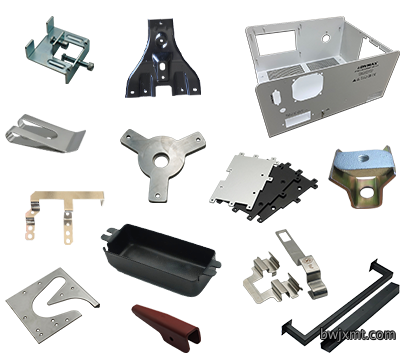
Bridging the Gap with ExpertiseTransitioning from a traditional, high-volume mindset to a flexible, HMLV-capable operation requires more than just buying new machines. It requires a fundamental shift in process management and a partner who understands the nuances of sheet metal fabrication. This is where deep industry experience becomes invaluable. XCWY stands out in this evolving landscape. With 30 years of sheet metal fabrication experience, the company has witnessed the evolution from manual tooling to digital manufacturing. This longevity means XCWY possesses the institutional knowledge to handle complex metal fabrication challenges that newer shops cannot. Their expertise spans the full spectrum of metalworking processes—from advanced fiber laser profiling to complex robotic welding and assembly. While many traditional lines struggle to adapt to high-mix, low-volume demands, XCWY leverages its three decades of expertise to offer flexible manufacturing solutions. They combine the precision of CNC machining with the adaptability required for custom enclosures, brackets, and intricate components. Their experience ensures that whether you need prototyping or small-batch production, the processes are optimized for speed, quality, and cost-efficiency. ConclusionThe operational landscape of modern manufacturing has fundamentally shifted away from the outdated paradigm of passive production management. Contemporary metal processing facilities face mounting pressure to abandon the historical approach of minimal intervention and passive oversight that characterized earlier industrial eras. Success now depends on agility—the integration of automation, AI, digital tooling, and sustainable practices. By embracing Industry 4.0 principles and partnering with experienced manufacturers like XCWY, companies can turn the challenge of customization into their greatest competitive advantage. The future of sheet metal fabrication belongs to those who can bend—both the metal and their processes—to meet the exact needs of the modern customer.
|